 With the world of dual sport riding booming each year, adventure riders are heading out in droves to test their skills both on and off road. As the less experienced riders first start to experiencing the changing terrain, weather conditions, and speeds, the question keeps coming up: "Should I be sitting or standing when I'm off road?"
Some riders won't wonder and others don't care; but if you're new at dual sport riding, hopefully these Pros and Cons of the standing position will help you enjoy more and ride longer. The Pros are listed below, and you can either check back with us or sign up to follow our blog on the top right corner of this page to see the "Cons" of the standing position here!
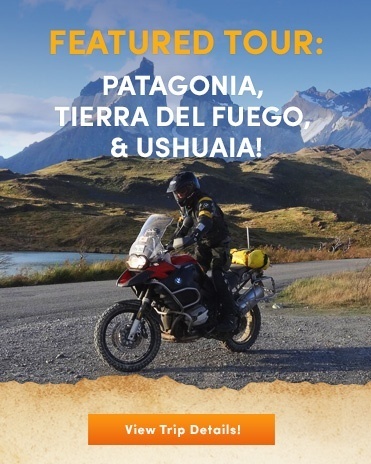
A STANDING POSITION IS IMPORTANT on tours in the Andes Mountains
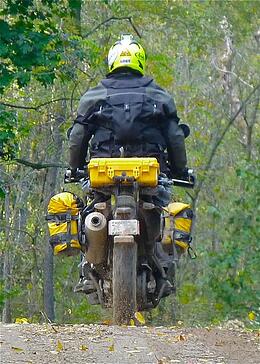
- Visibility - Consider that our viewing angle of the terrain ahead and how well we see is generally improved by being above the normal seated position. Judging the depth and dimensions of obstacles and the terrain can often be just a little bit better if we're just a little bit higher, and standing makes that viewing angle possible.
- Balance & Neutrality - As terrain changes and we work the bike over obstacles, separating body weight from the motorcycle can help us control the bike. Think of a sitting position as being a "commitment" in that, your weight is pretty well attached to the bike. If your weight is attached to the bike, every line chosen and move made needs to be with the utmost precision and accuracy, because MORE is being committed to it!
- Added "Suspension" - Especially for the off road sections of dual sport riding, you'll be testing your motorcycle's suspension to the fullest. With more weight packed on the bike (camping gear, parts, and tools, right?) your legs can essentially be used to help ease the demand being put on your bike's suspension. Keep an 'athletic' amount of knee bend and absorb the terrain such that you'll lessen the chances of bottoming out your bike or "casing" it on a rock (2 incredibly dangerous possibilities!)
- Stretch Your Legs - For reasons of comfort, you'll probably want to move your legs a bit and stretch them out much like we do on long flights or car rides. Equally important here is that stretching your legs and using your muscles every once in a while will keep them ready in case of need. Even in off road dual sport riding situations, cars, animals, or other ATV's and motorcycles can all pull out in front of us at any time, and you might need to do the famous "Superman" technique of jumping off your bike. Cold, stiff leg muscles won't be as quick and ready as those you've been using.
- Cool Off! - While you'll want to keep your legs warm, summer riding with a big windshield can get pretty hot, so standing up to get some fresh air running over you can sure feel great. Honda Goldwing riders have vents on their bikes, but the rest of us have to come up with other solutions in order to keep cool. We've made some great motorcycle gear recommendations you can see on this link to help you keep cool and protected at the same time, but sometimes some fresh airflow for a few minutes from a standing position is what's needed.
Please keep in mind that everyone has their own opinions on dual sport riding technique, and what works for some won't work for others. When you ride, evaluate each situation and implement the techniques and ideas that work for you given the riding scenario you're in. With an infinite combinations of riding terrain, speeds, weather, and tire types possible during your adventure ride, what might work in one situation might not in another.
Speaking of dual sport riding...did you notice we have a fantastic list of these international adventure riding opportunities for you to try?