.png)
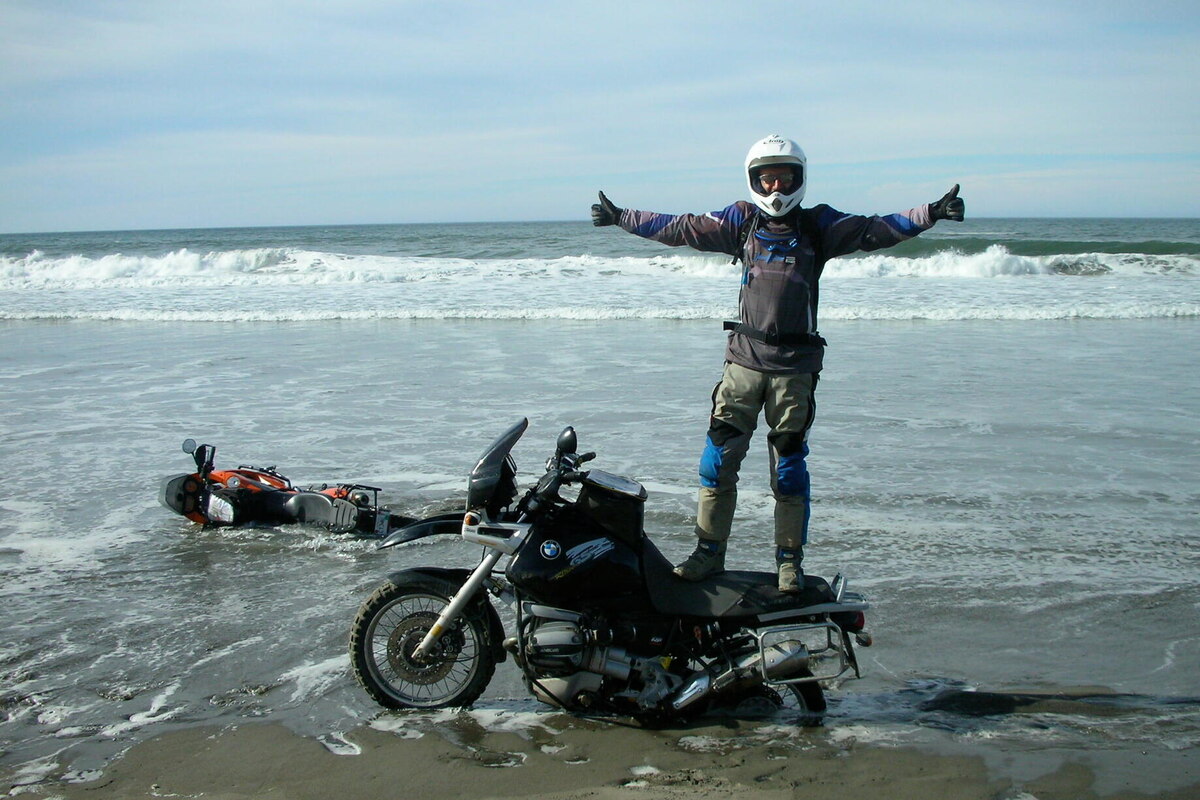
We've been riding and guiding ADV trips for decades, and we're still learning something new with every journey. This quick-and-easy list of ADV riding tips will get you headed in the right direction.
Adventure riding is one of the deepest rabbit holes you can go down in the two-wheeled world. That's what you get when you blend all-terrain riding skills, unique gear requirements, and long-distance travel planning into a single discipline.
Our recommendation? Take it in small bites.
Below we break down some of the essential riding tips you'll hear from our tour guides and instructors on any RIDE adventures, whether you're tackling your first trip or your 100th.
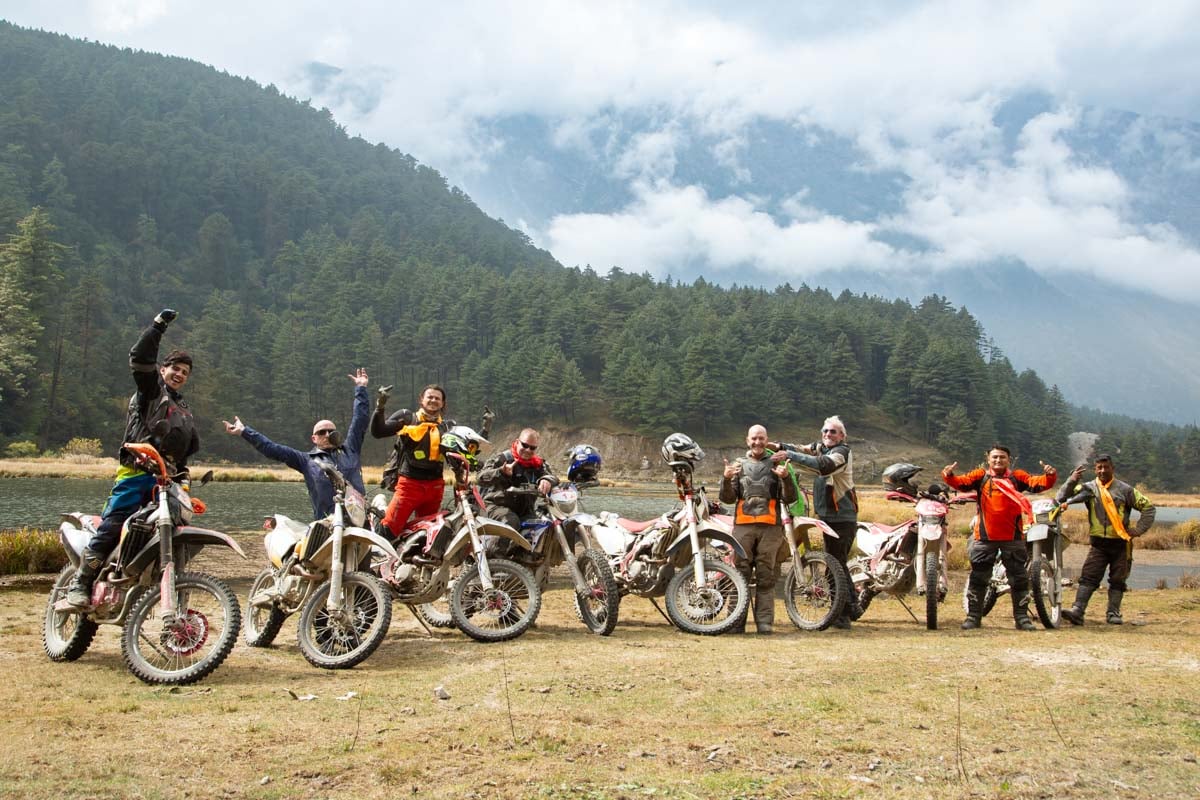 "Big and small, dirt and street: we've led every sort of tour you can imagine over the years."
1. General ADV Riding Tips
If you're just getting started, here are the short and sweet tips we wish someone had told us when we were first starting out. We'll get into the more practical stuff further down, but it all starts here.

Plan Ahead
Most of this list of ADV riding tips could be summed up by these two simple words. There's a fine line between planning and overplanning, but as Benjamin Franklin once said, "If you fail to plan, you plan to fail."
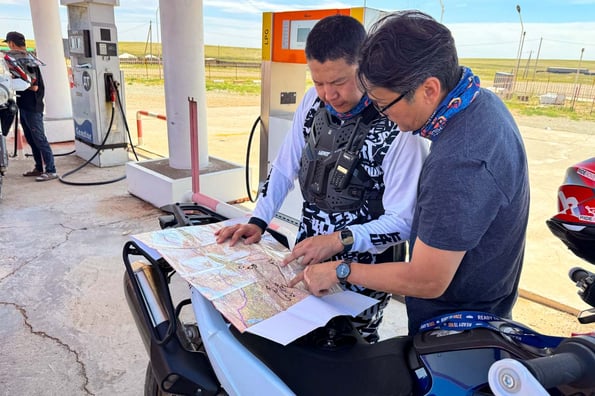 "Behind every epic ride is an equally epic plan. Come prepared."
We'll get into some of the highlights on how to plan properly below, but every aspect of a successful ADV ride, from international travel to trailside maintenance, generally boils down to "the better you plan, the better you'll do."
Read More: How to Plan a BDR Trip Without Overplanning It
Gear: Where to Save, Where to Splurge
 "When it comes to boots, protection is more important than comfort."
The single most important piece of gear in any adventure rider's kit is their boots. That's especially true for newer riders, who do most of their crashing off-road at low speeds and end up with a 500+ pound motorcycle sitting on their ankle.
Leave room in your budget for an extremely protective pair of boots designed primarily for off-road use. Having the latest Klim helmet is nice, but also completely unnecessary: the right boots will work harder than any other piece of gear you own.
Watch More: What ADV Riders Get WRONG About Gear
Choosing the Right ADV Motorcycle
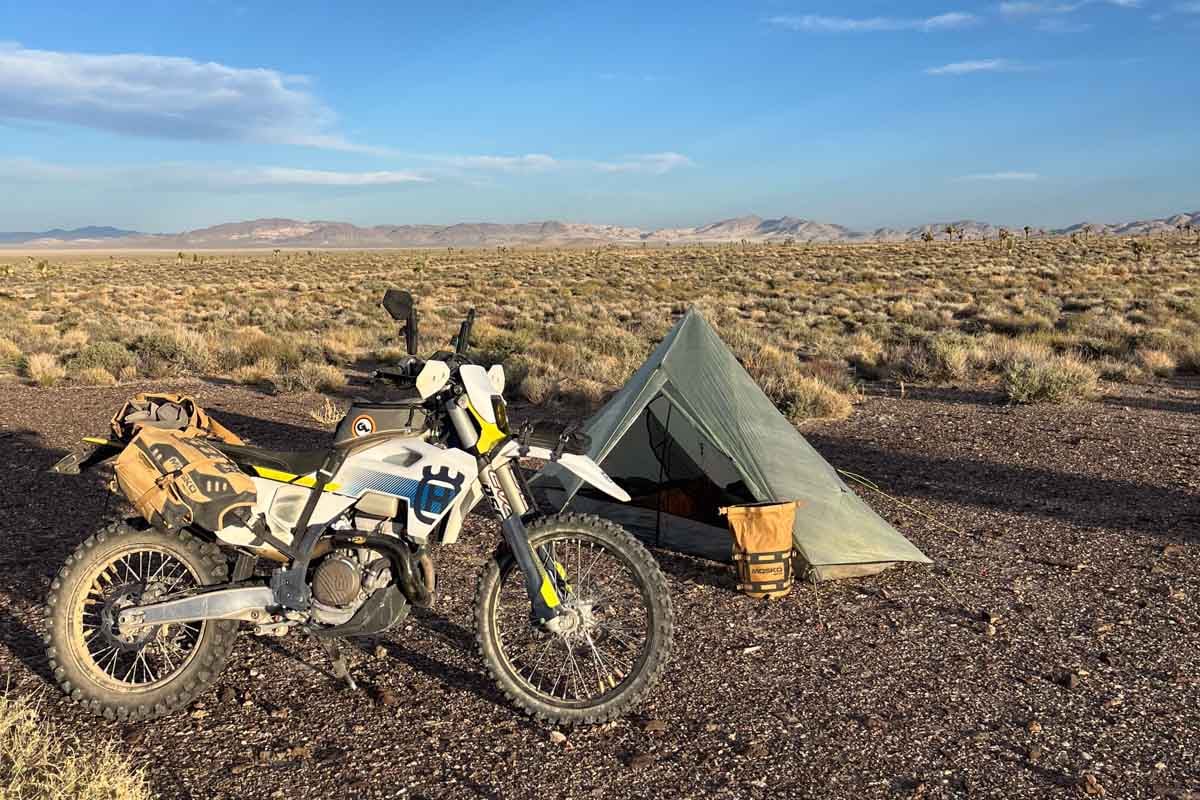 "Spoiler alert: you can have huge adventures on small bikes."
We've done cross-country epics on everything from fire-breathing Ducatis to Chinese 250s, and so long as your bike of choice is reliable and can handle intermediate off-road terrain, it won't be the limiting factor.
The right adventure bike is the one you feel confident on, and for a lot of riders, that means the smaller, more affordable ADVs are the best choice. Buy a bike you don't mind dropping from time to time, then go rack up the miles without fear.
Read More: Why "Big Bike = Read ADV Rider" is Complete Bull
Make Sure You've Got the Baseline Skills
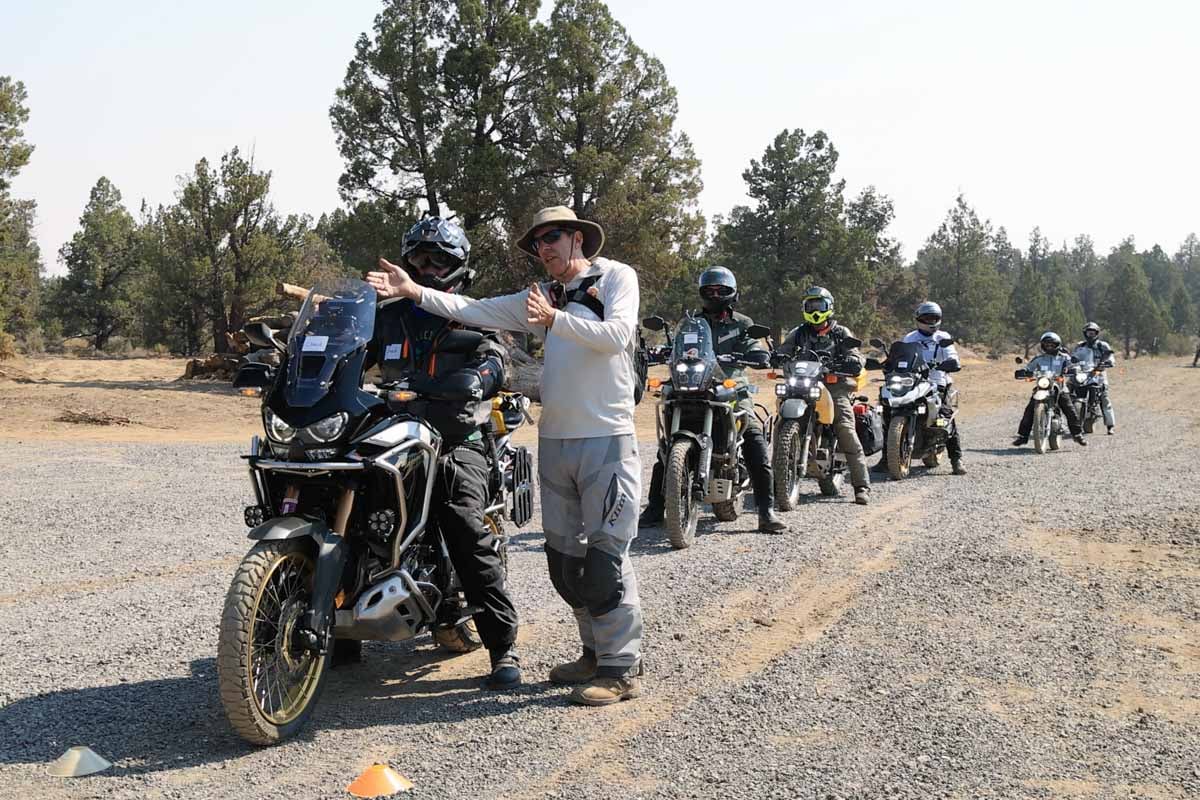 "ADV skills training is one of the smartest investments you can make."
Most ADV tours, BDRs, and international trips are fun and challenging without being overly technical. Still, riding off-road through varying terrain requires what we'd call a "basic universal set" of riding skills.
You should be familiar with the basics of body position as well as how to navigate certain specific scenarios like gravel, sand, and rocks. If you aren't confident in your abilities, do yourself a favor and start with an ADV-specific training course.
Read More: ADV Training: What's Stopping You?
2. Tips on Riding Abroad
Exploring your home country is fun, but nothing tops the excitement of an international ADV motorcycle trip. If you're considering one yourself, these are universal tips for any epic journey abroad.
Handle Your Travel Requirements First
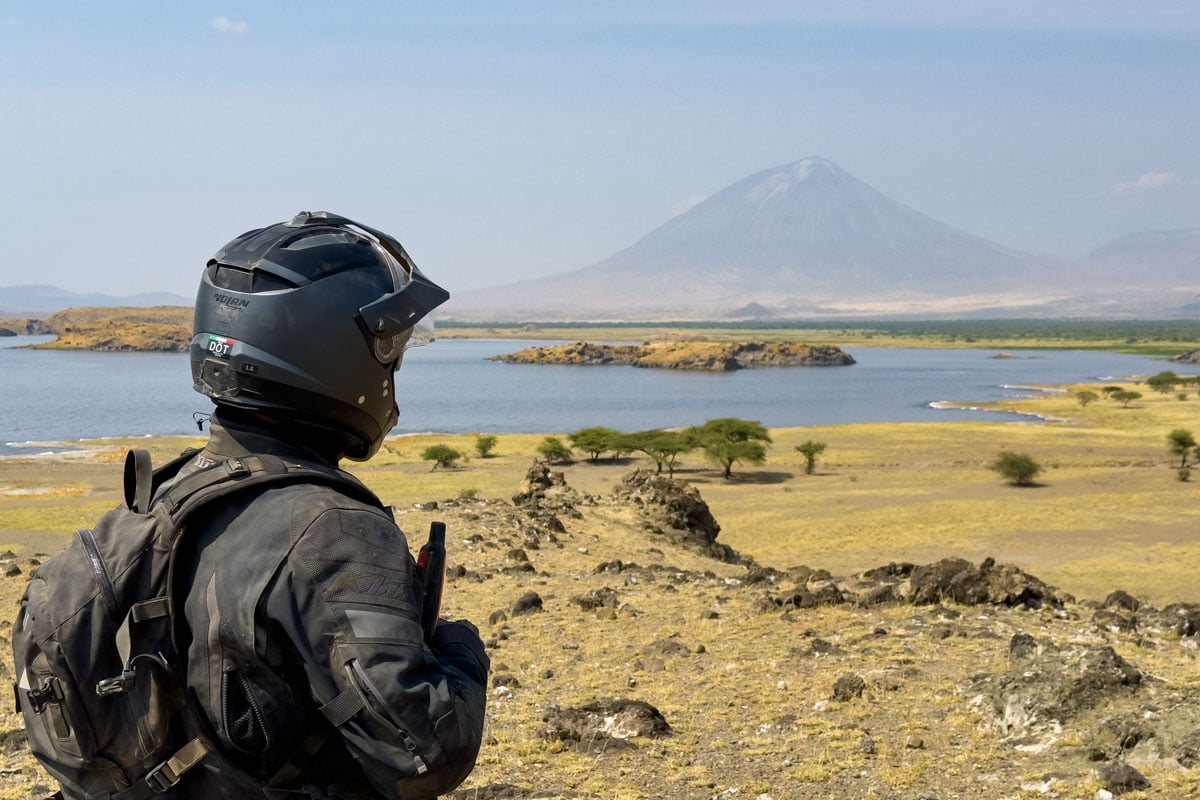 "Travel requirements vary between countries: know before you go."
A passport is a no-brainer when you're traveling abroad, but for many destinations, it's just the beginning. Additional travel visas are a common requirement for many countries, as are vaccine records and trip itineraries.
If you're not sure what all you need, the U.S. Department of State website is pretty much a one-stop shop. You can also check the websites for each of the embassies in the countries you'll be visiting for more details.
Watch More: Our Top 5 Motorcycling Countries
Respect the Local Officials
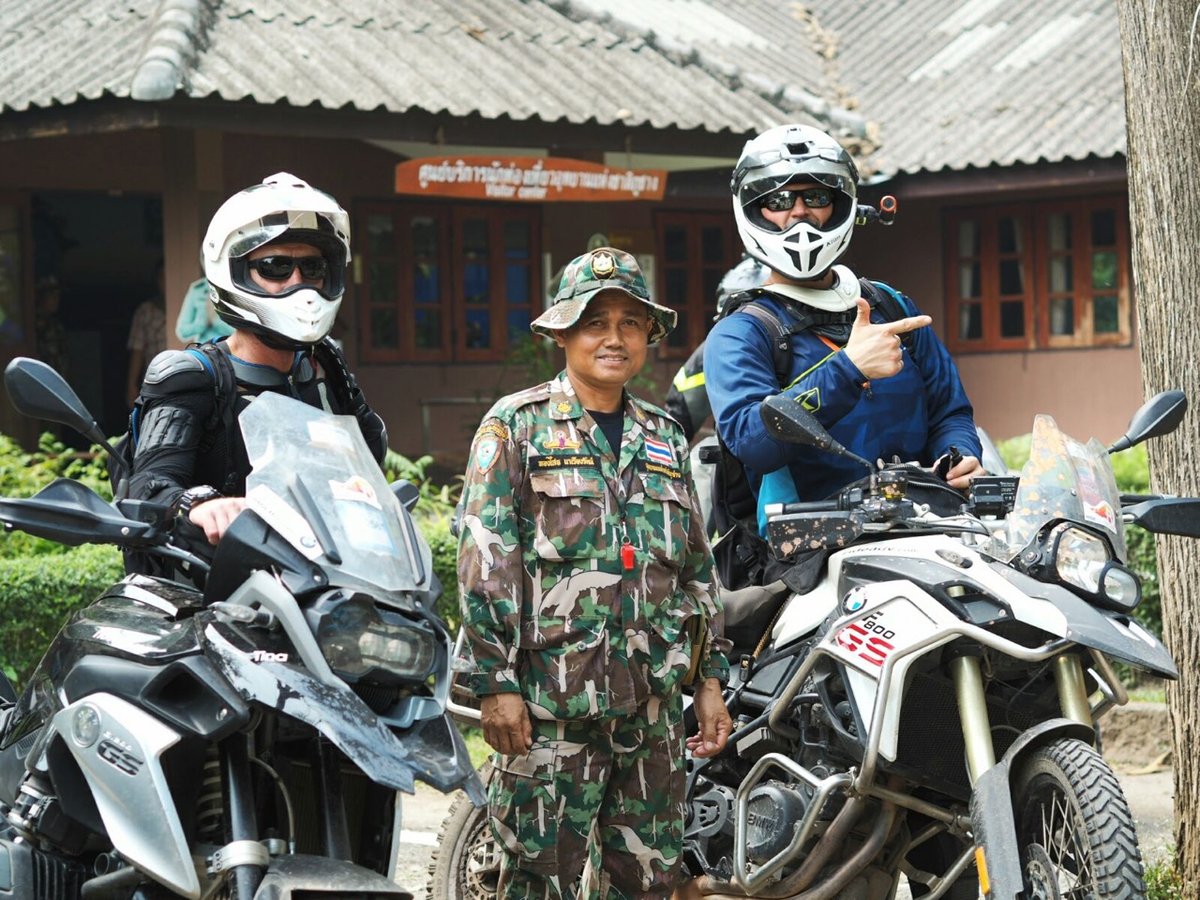 "Be friendly, be compliant, and always ask before taking photos of officials."
Border crossings, checkpoints, and toll booths are all common when riding internationally. Make no mistake about it: the men and women manning these stations can make or break your entire trip.
Be polite, respectful, and compliant. Have documents prepared in advance, do whatever is asked of you, and keep a positive attitude: we've seen a smile and a laugh disarm even the most stern-faced folks in uniform.
Watch More: 16 Adventure Riding Travel Tips
Cash, Credit, and Currency Exchanges
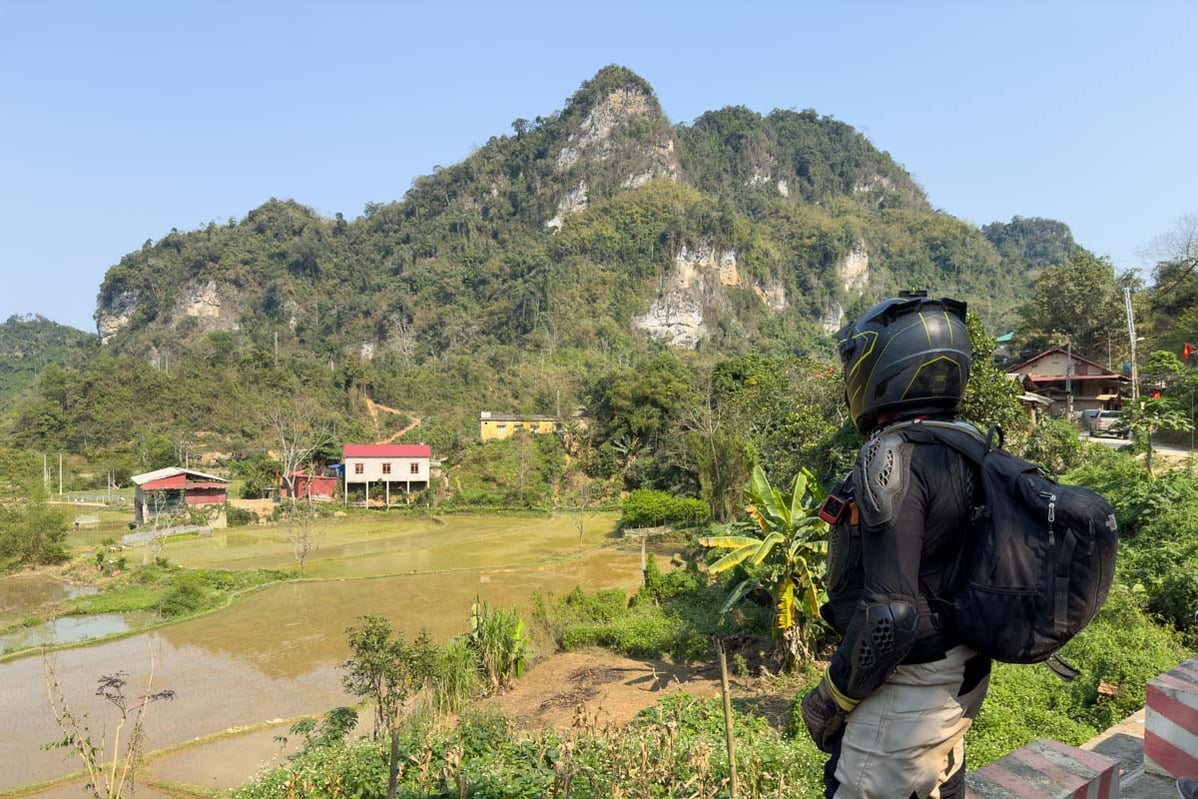 "Cash is king, but ATMs can be few and far between."
You're going to want a mix of both cash and plastic on most trips. To that end, you'll want to make sure that your cards will work overseas, whether that's accessing local ATMs or paying for things like gas and hotels with a credit card.
Of course, sometimes things happen, which is why you should carry enough backup cash at all times to get you to the next ATM. Make sure to let your bank back home know you're leaving the country as well to avoid surprises like locked-out cards.
Watch More: Motorcycle Safari Tour in Tanzania
Consider Travel Insurance
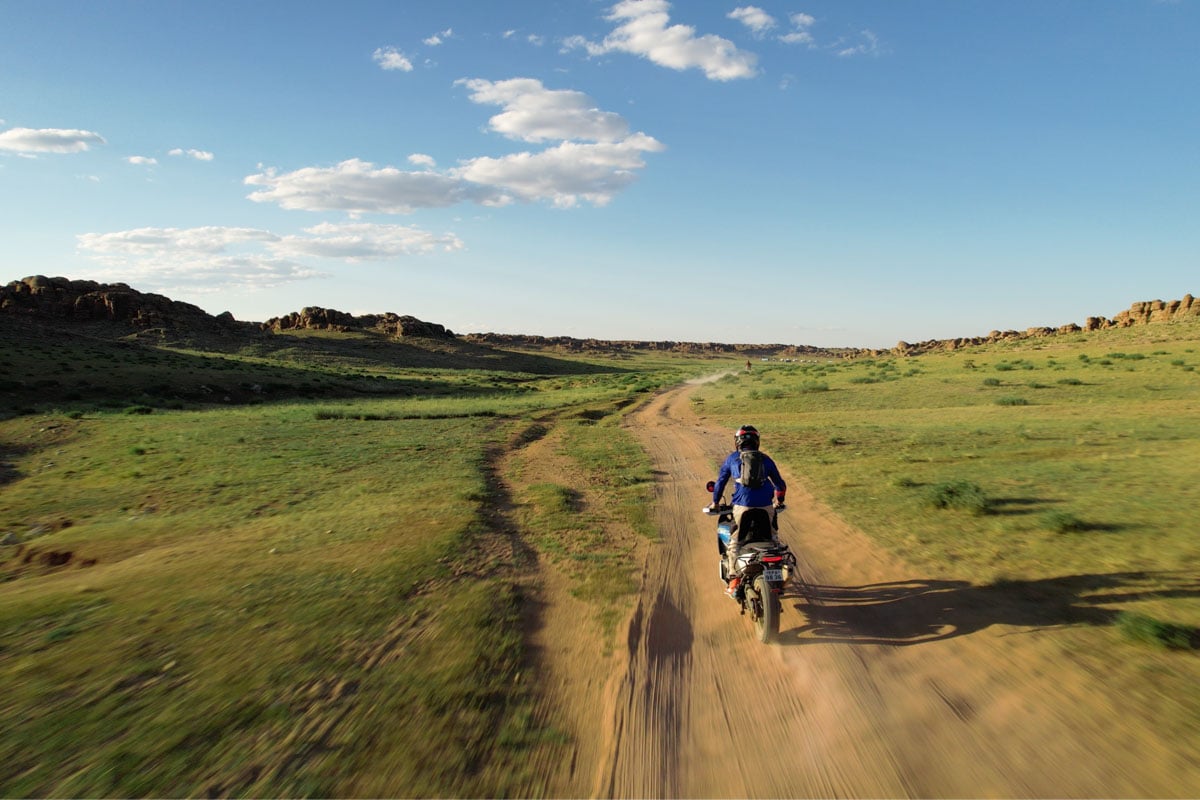 "If you're booking well in advance, protect your investment."
Don't make the mistake of assuming your standard insurance covers you internationally. Injuries, sickness, and crash damage can become major out-of-pocket expenses if your standard insurance doesn't apply overseas.
It's also worth considering travel insurance for the trip itself, especially if you're planning/booking well in advance. Major life events happen, and knowing you can get your money back on flights and hotels is a smart way to protect your investment.
Read More: ADV Tips for Riding in Foreign Lands
3. How to Navigating Technical & Challenging Terrain
The better you get at riding the technical stuff, the more fun it becomes. Practice makes perfect, but here's a quick primer on some of the most challenging situations ADV riders face.
Riding In Sand
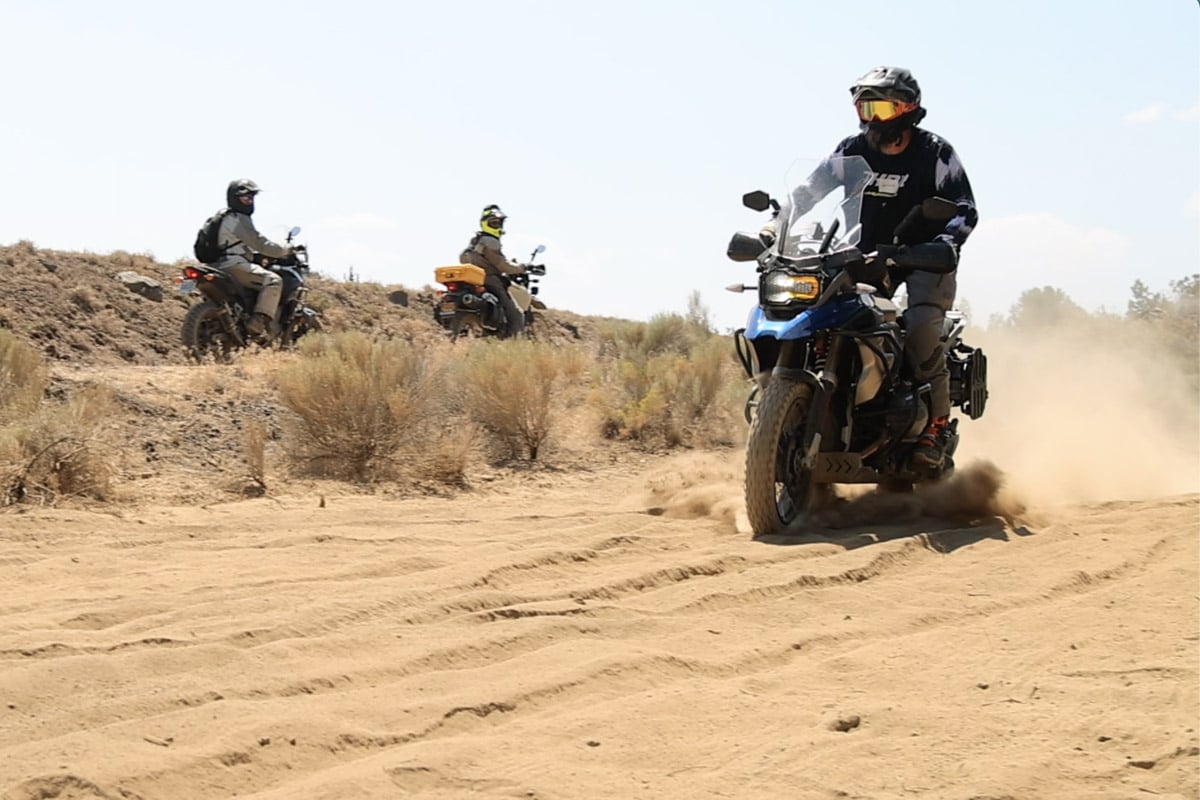 "Knees bent, butt back, loose grip: a student tackles our sand pit".
There's a reason we include a sand pit in our ADV rider training courses: everyone wants to be better at it. Practice is really the only remedy, but practicing the right way is just as important.
The right way to ride sand is with a steady throttle, a light front end, plenty of momentum, and a heavy reliance on the rear end for both braking and steering. Stay loose, don't think too much about the bike moving around, and look where you want to go.
Read More: Why Most ADV Riders Are Bad At Sand
Riding In Mud
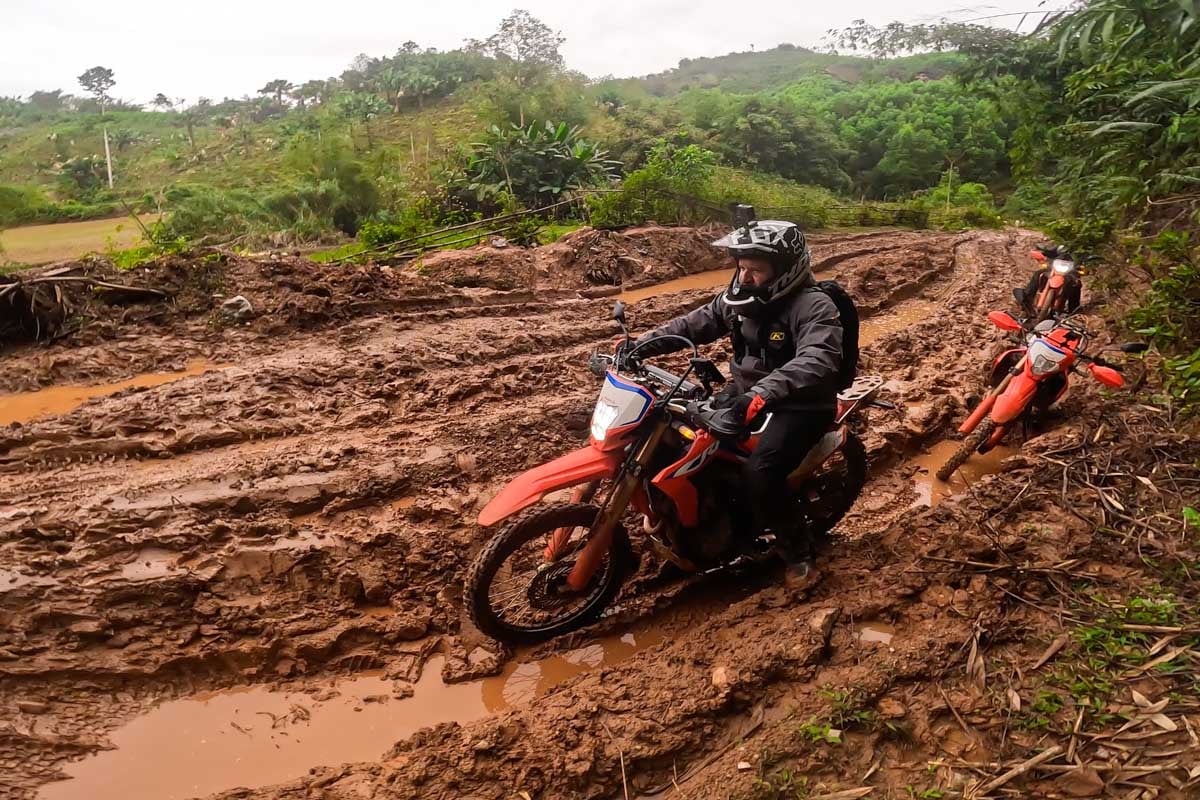 "Momentum is king, but when in doubt, paddle it out."
If you want to get as much traction and control as possible in the mud, it's all about body position. Stand on your pegs, get your weight toward the rear, and put a sharper bend in your knees than usual to keep your center of gravity nice and low.
This method maximizes traction at the rear tire while also giving you better control over the front as it tries to squirm around. If you lose your momentum and get stuck, it's often best to sit down over the rear tire, apply steady throttle, and paddle your way out.
Speaking of throttle, it's also important to be as smooth as possible getting on and off the gas. We recommend riding a gear high in mud to soften throttle inputs, and using the clutch to add revs as needed to maintain momentum and stability.
Read More: ADV Riding Techniques For Offroad Adventurers
Wash Up When You're Done
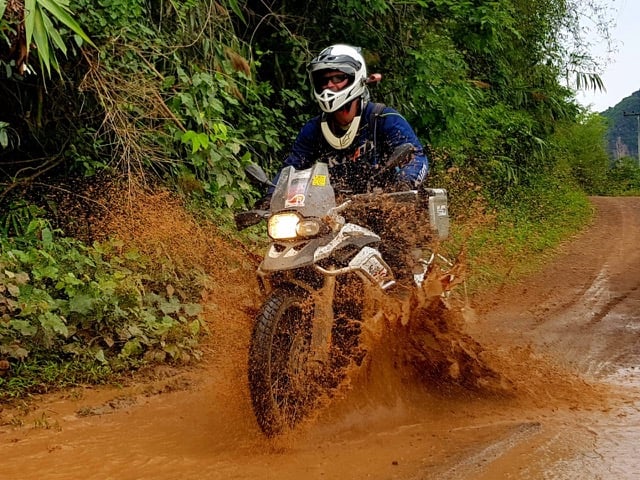 "Getting clean isn't as fun as getting dirty, but it's important just the same."
Mud, dust, and moisture wreak havoc on your bike when left unchecked. All three can seize bearings, clog filters, damage electronics, and destroy chains, which is why once the nasty bits are over, it's important to clean and lube your bike.
Adventure bikes are made to get dirty, but that doesn't mean they're made to be neglected. Never let a filthy bike sit for any longer than necessary. We regularly clean our bikes mid-tour for this very reason.
Read More: Rain, Dust, and Mud Survival Guide
4. Best Tips on ADV Motorcycle Luggage
Traveling on a motorcycle means packing everything you need into a very small space. Here are a few ADV riding tips on how to go about that.
Pack As Light As You Can
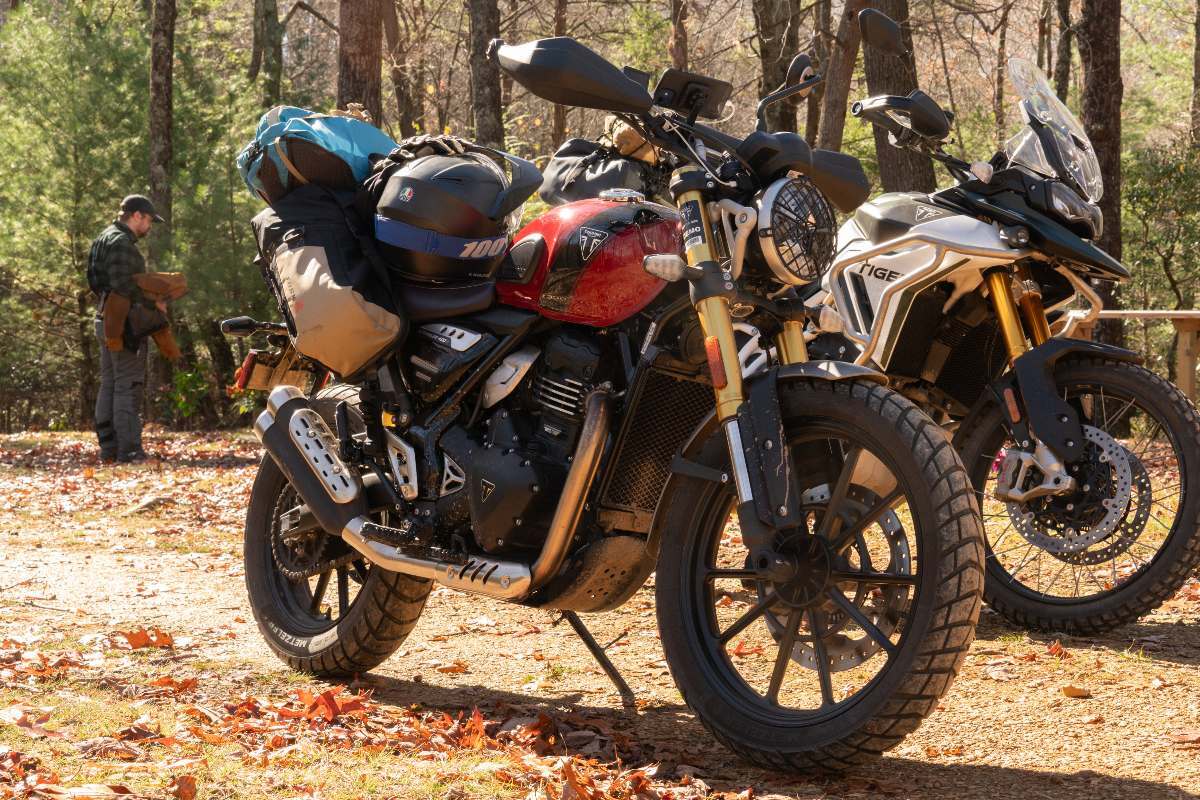 "Less weight means better handling and less effort."
It's always a good idea to pack as light as you can, whether you're adventuring domestically or abroad. Lighter motorcycles are more enjoyable to ride, and the less you carry, the less you'll have to haul to and from the bike/hotel/camp every day.
If you're going on a particularly long journey, it's better to plan a "laundry day" somewhere along the way than to try to haul a different pair of socks and underwear for every day. We've seen it done both ways, and when it comes to ADV riding, less is more.
Read More: Our Ultimate Motorcycle Trip Packing List
Soft Luggage Is Hard to Fault
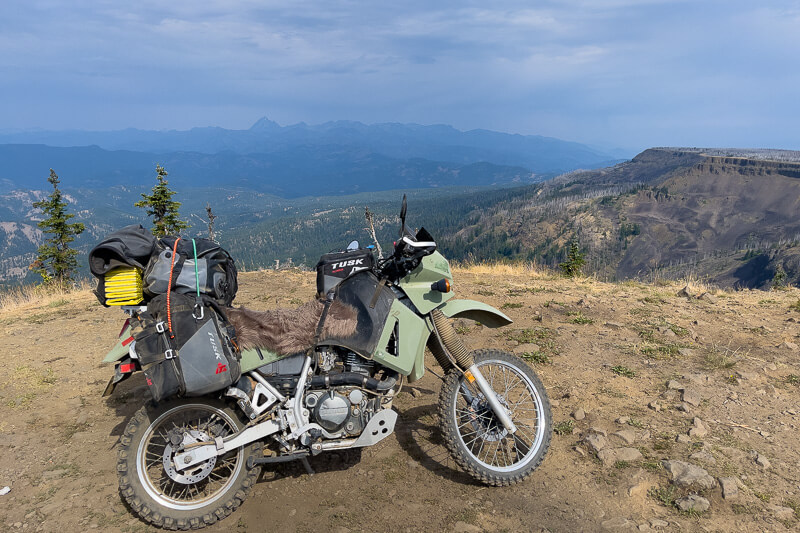 "This single set of Tusk soft bags has worked on dozens of different bikes."
Some folks swear by hard panniers, but over the years, we've found a good set of soft bags is a better fit for 95% of riders. Soft bags typically do better in a crash (especially off-road), and can be swapped between most bikes without additional racks.
Soft bags are also less expensive, less complicated, and (if you get the right set) just as waterproof. If your personal bike (or rental) already comes with locking panniers, more power to you, but most will find more value and practicality in soft luggage.
Read More: Hard Panniers vs. Soft Bags
Avoid Heavy Backpacks
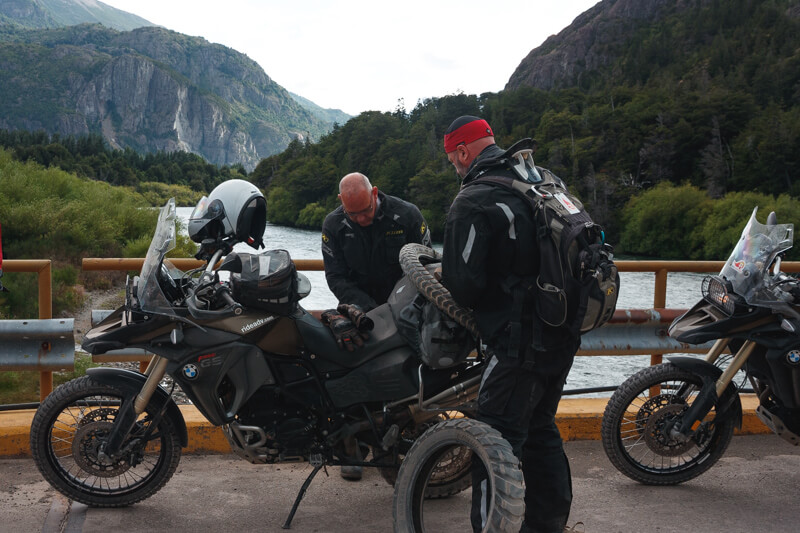 "Lightweight, harness-style backpacks work the best."
Adventure riding takes a lot out of you. Hauling a heavy pack around for 6+ hours a day doesn't help. Sometimes a backpack is the easiest way to get that extra storage you need, but if you can avoid them, we'd recommend doing so to save your shoulders.
The one caveat we'll note is light hydration packs from folks like USWE or Klim. It's easier to stay hydrated when your water is always within reach, and these bags have just enough space for small essentials like first aid, snacks, sunscreen, and documents.
Read More: 5 Best Motorcycle Backpacks for Riders
Riding When Fully Loaded Down
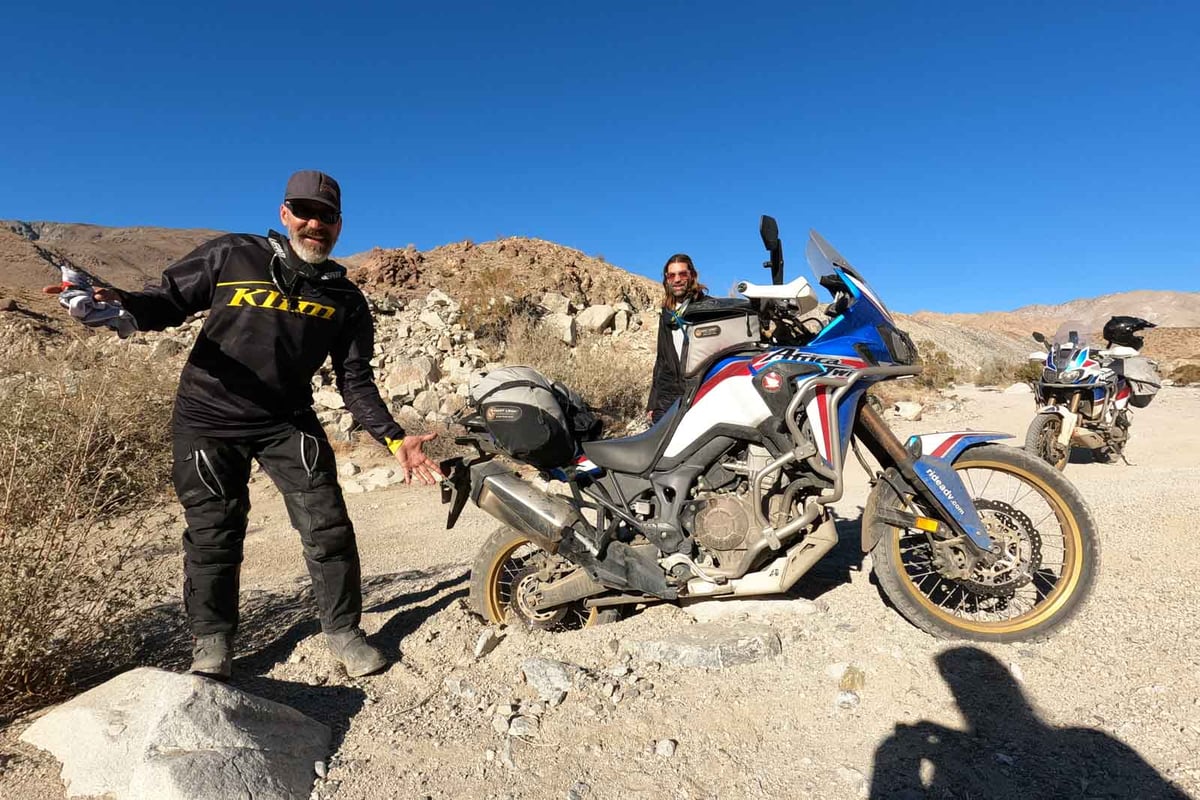 "Spread the weight out as evenly as possible whenever possible."
Weight changes everything. Every pound you add to your bike increases your stopping distance and negatively impacts your bike's handling and maneuverability, especially at low speeds.
You want to minimize the impact of added weight by distributing it as evenly as possible. Split heavy items like fuel, water, and tools evenly between the left and right sides, and try to put the heaviest items as low as possible for better center of gravity.
5. How to Survive Multi-Day ADV Trips
The longer the trip, the more important the preparation. Here are our high-level riding tips for multi-day trips at home and abroad.
Carry Tools and Quick Fixes at All Times
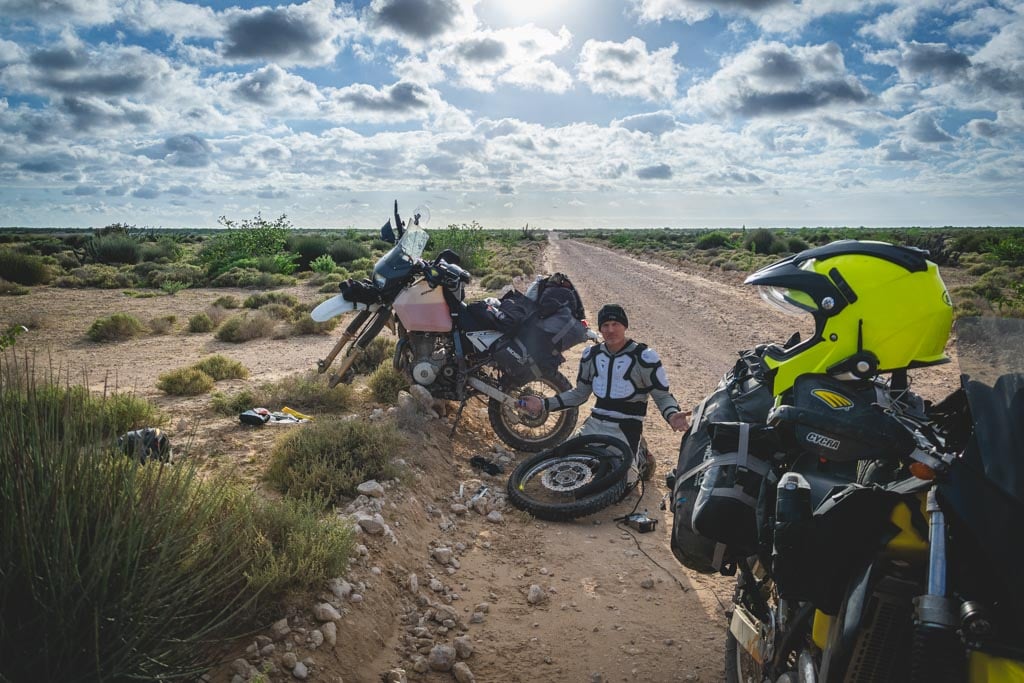 "Roadside repairs often require a little creativity."
Broken levers, missing bolts, flat tires, and punctured radiators are just a few of the common issues you'll run into on an ADV ride. Make sure your tool kit includes everything you need for all the most common repairs, but don't be afraid to get creative.
We've had JB Weld, duct tape, safety wire, and luggage straps get us out of the woods more times than we care to admit. It doesn't have to be pretty, it just needs to get you back to civilization for a proper repair.
Read More: When Your Bike Breaks Down in the Backcountry
Managing Fatigue
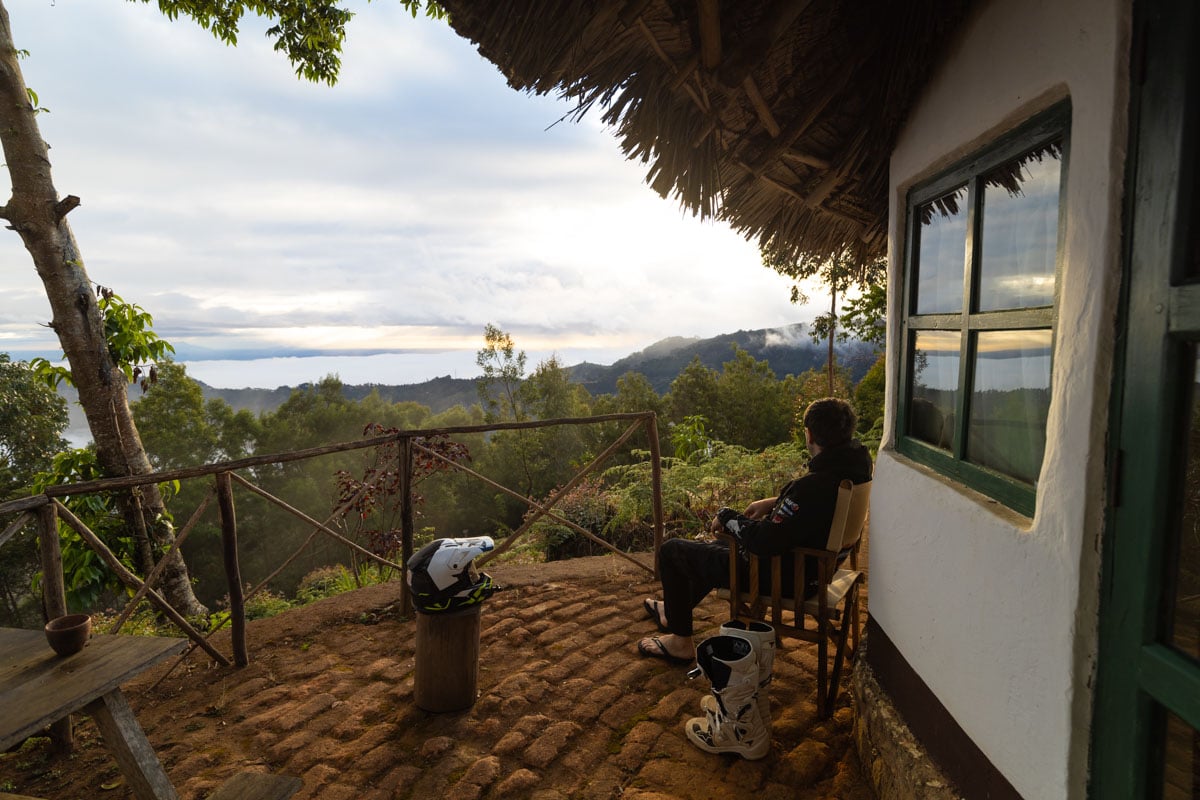 "Take breaks when you can, and rest days on longer trips."
Adventure riding is a physically demanding activity. When the roads aren't perfect (or paved), you spend a lot more time standing, moving around, sweating, and working the controls to get through obstacles.
It's a smart idea to plan a 10-minute stop every hour or so to stretch, walk around, and let your body recharge. Drink more water than you think you need to stay hydrated, and eat a high-quality snack or two (read: not energy gels) at every other stop.
Pacing Is Important
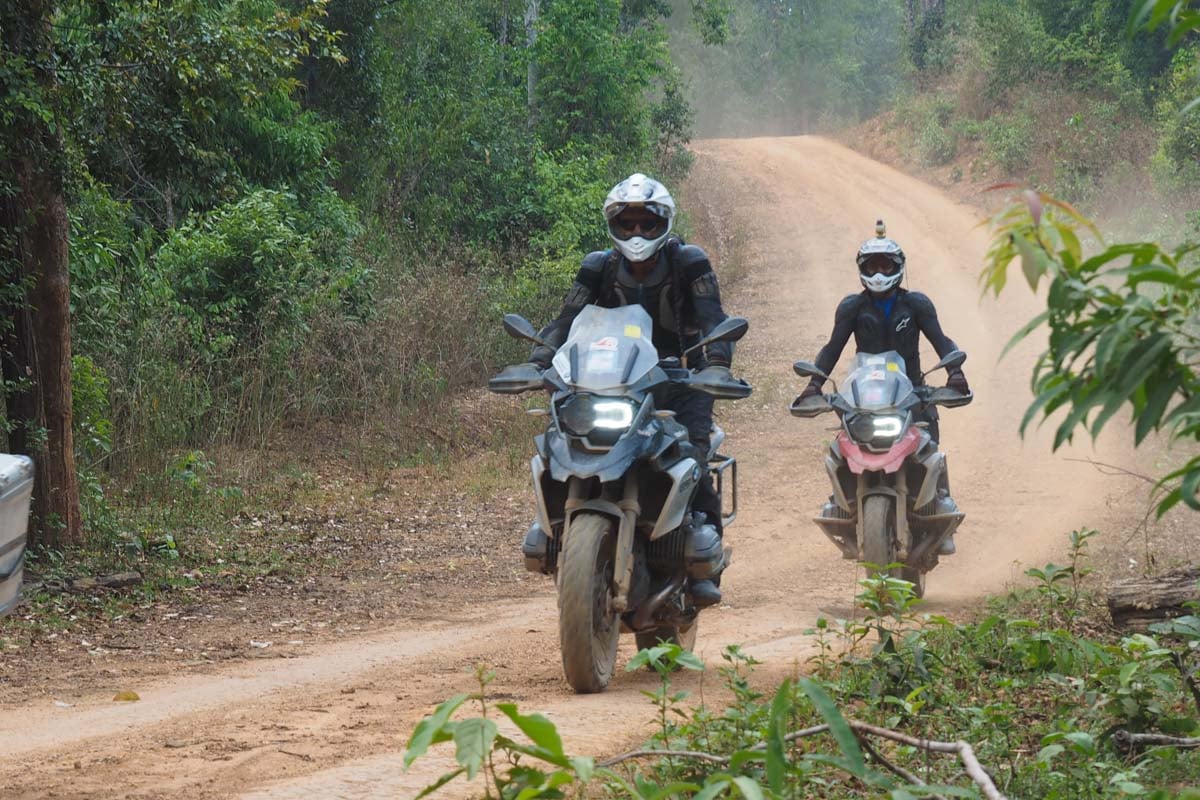 "ADV riding takes a lot out of you, even when the miles are low."
Long trips take a cumulative toll on the body, both mentally and physically. Don't insist on logging 150-200 miles every day, especially if the terrain is less-than-ideal. You end up sore and miserable if you aren't resting enough between rides.
If you're taking a longer trip, it's a good idea to plan a dedicated rest day in the middle to relax and recover. You should also prioritize getting plenty of high-quality sleep every night, even if that means skipping the extra beers every now and then.
Read More: How to Handle Adventure Fatigue
Wrap-up
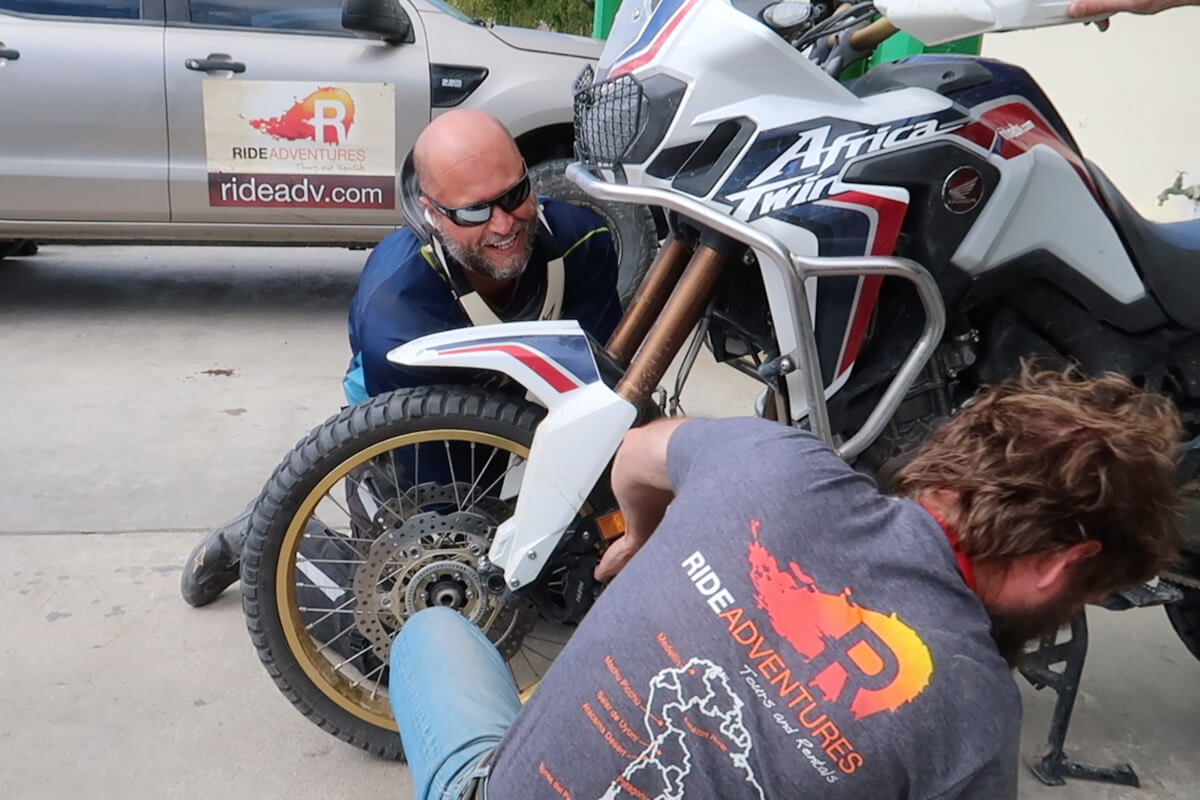 "Knowledgeable, self-sufficient, and prepared: that's what makes a good ADV rider."
The list of ADV riding tips above is a lot to take in, and it's just the beginning. The good news: the more you ride, the more tips you pick up along the way, both from fellow riders and hard-earned experience.
Be the rider that everyone wants in their group: the one with the extra tool, the spare tube, the first aid kit, and the know-how to use all the above. It's a lifelong journey, but if you're reading this, you're already headed in the right direction.
READ MORE:
9 Best Dual Sport Motorcycles in 2025
Backcountry Training Expedition - Coach and Camp
Get your Free Motorcycle Trip Checklist