The little Versys has a cult following for a reason. On paper it doesn’t look wild: a 296cc parallel twin, modest suspension, and a spec sheet that won’t impress the “1,000cc-or-bust” crowd.
In the real world though, the Versys-X 300 punches way above its weight as a beginner-friendly, ultra-manageable, go-anywhere travel bike.
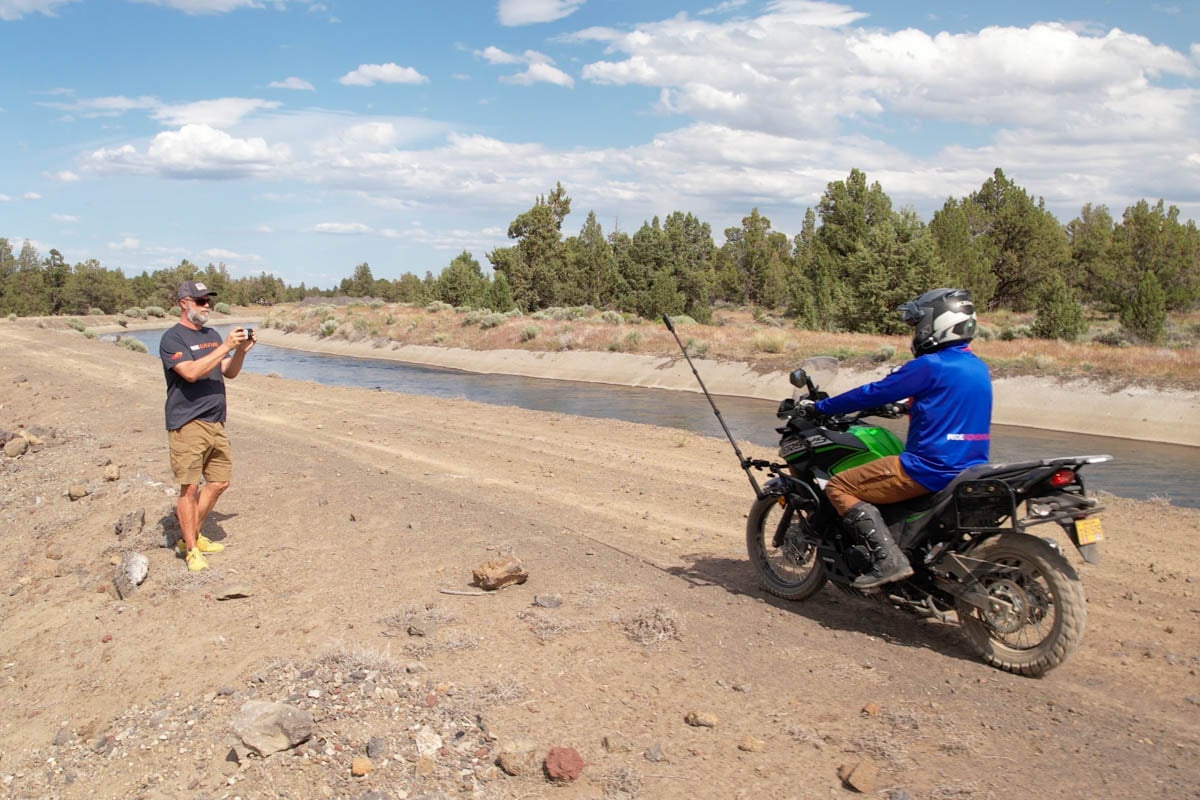 "Eric filming the Versys-X 300 for our YouTube review video"
This isn’t a dyno chart review. It’s a real-world look at how the “baby Versys” actually behaves on pavement, dirt, and long days in the saddle – and who should still be hunting one down in 2025 and beyond.
Let’s start with the basics.
Quick Specs: 2026 Kawasaki Versys-X 300 at a Glance
Kawasaki hasn’t radically changed the core package since launch, so the current 2025/2026 Versys-X 300 still uses the same 296cc parallel-twin platform you’ll recognize from the Ninja 300, tuned for versatility and rev-happy fun.
Engine & Drivetrain
Chassis & Suspension
Brakes & Dimensions
|
Real-world takeaway:
On paper, this is a light, revvy, small-displacement ADV with legit touring range and a manageable seat height. Nothing “spec-sheet viral” here, just a sensible platform to build trips on.
Why We Bought a Versys-X 300 in the First Place
Nobody buys a Versys-X 300 to flex in the hotel parking lot.
This bike is for riders who want:
|
The Versys-X 300 sits in that sweet spot between “true beginner bike” and “serious travel tool.”
It’s approachable enough for newer riders but capable enough that you don’t immediately outgrow it the moment you leave the parking lot.
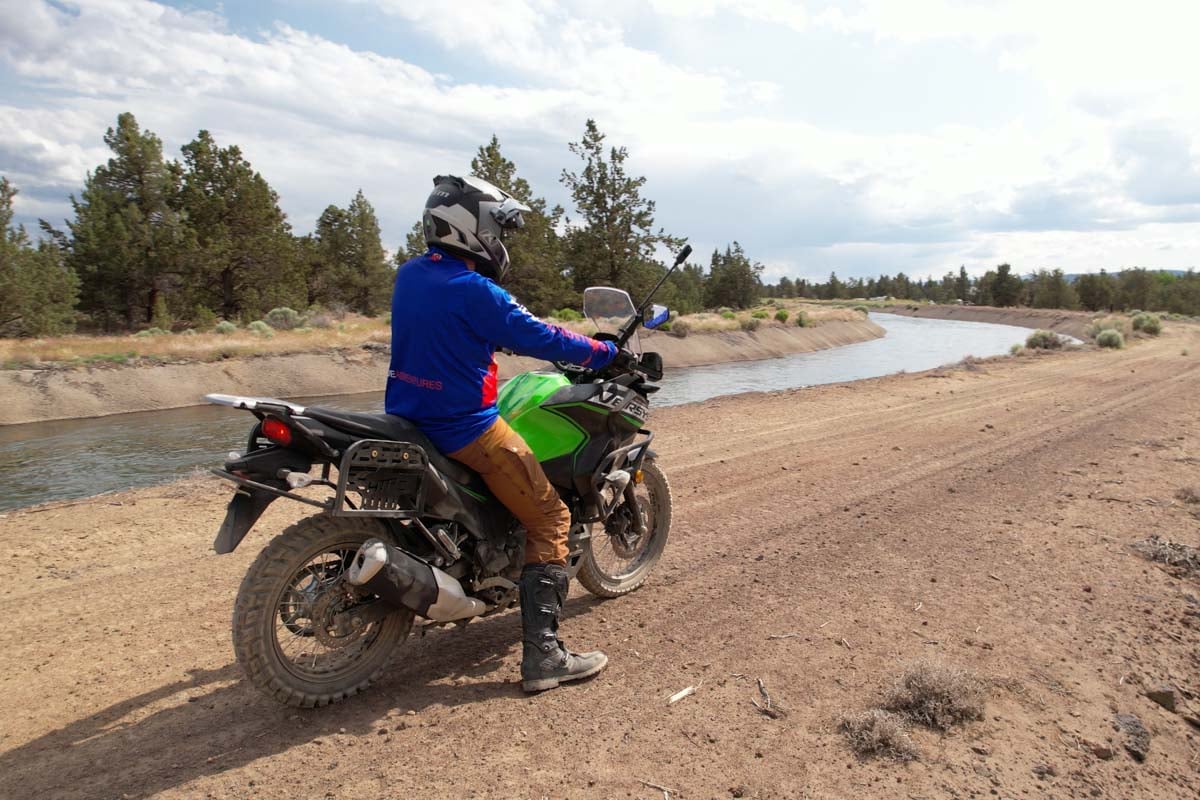 "Andrew, our lead instructor at our training course, taking the Versys-X 300 for a spin"
The other big reason it’s appealing: cost of ownership. Insurance is usually cheaper, fuel economy is excellent, and consumables (tires, chain, pads) last longer and cost less than big-bore ADV hardware.
For a lot of riders, that’s the difference between talking about long trips and actually doing them.

If you’re stepping up from a dual-sport or a 250 street bike and want your first “real” adventure-touring setup that doesn’t terrify you, the baby Versys has a strong pitch.
Engine Character and On-Road Performance
The 296cc twin is the personality center of this bike. It doesn’t pretend to be a tractor. It lives up high in the revs and wants you to spin it.
|
Highway reality:
The Versys-X 300 can cruise at 65–70 mph, but it’s doing it with enthusiasm, not laziness.
At North American freeway speeds it’s closer to the top of the rev range than a lot of people are used to, which makes some riders think it’s “working too hard.”
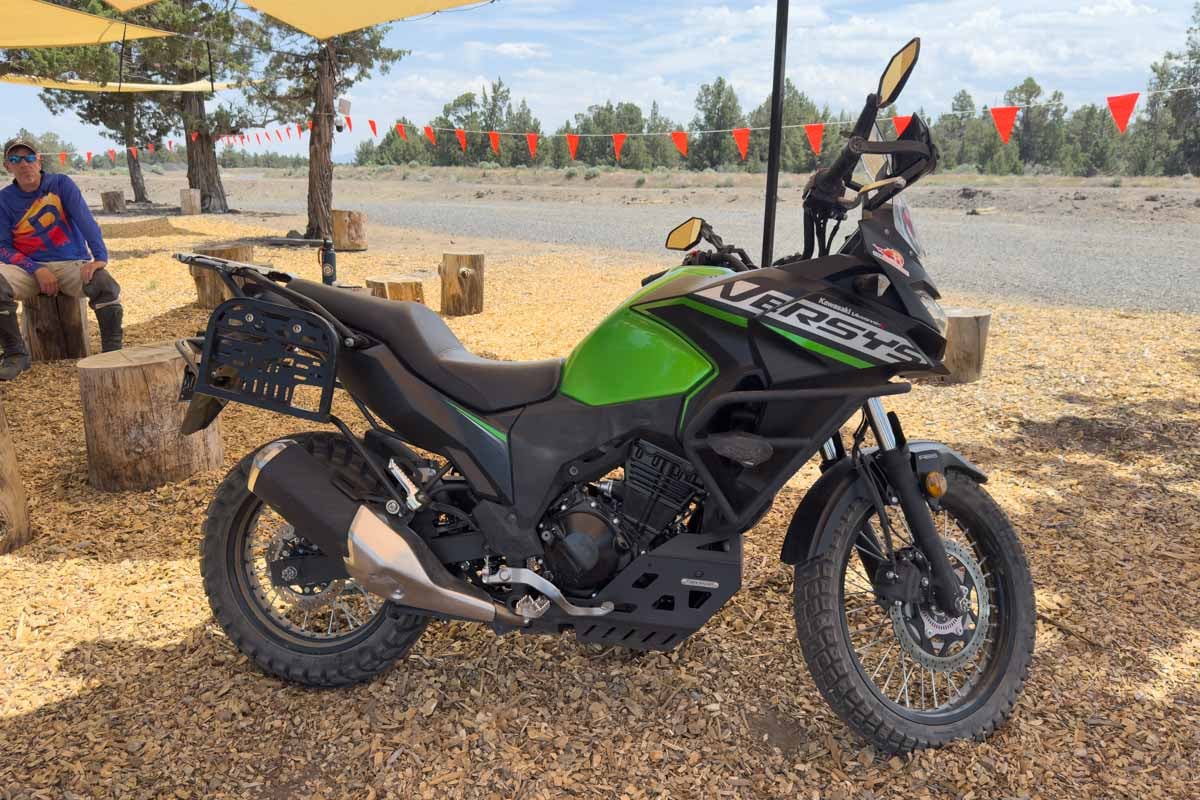 "Versys-x 300 in all her glory"
In reality, this engine was designed to live there – but you’ll feel more vibration in the bars and pegs than on a bigger bike.
Passing at speed needs a bit of planning. Drop a gear, keep it singing, and you’re fine. If your riding life is mostly 80 mph interstates and two-up luggage hauling, this is not your ideal tool.
For backroads, 55–65 mph highways, and mixed-surface exploring, the little twin is absolutely in its element.
The assist and slipper clutch is a nice bonus, especially for newer riders learning downshifts on hills or loose surfaces.
Off-Road Manners and Real-World Adventure Use
Is the Versys-X 300 a dirt weapon? No.
Is it a legit light ADV you can take down rougher roads than most people think? Yep.
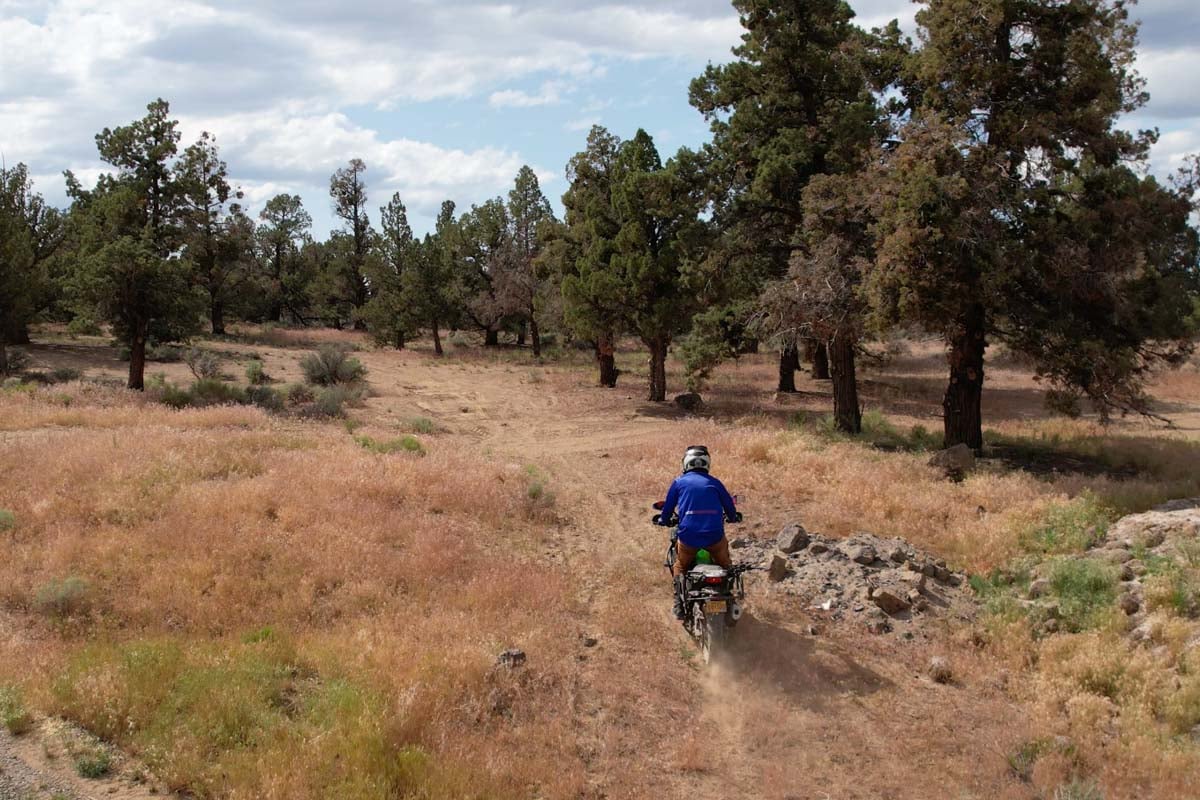 "Even can take you down some no track type of riding as seen here at our training center"
The recipe is simple:
|
On graded gravel, forest roads, and typical BDR-style two-track, the Versys feels planted and predictable. It doesn’t have the snap of a bigger bike, but that can be a perk when you’re still learning throttle control in marbles or sand.
The limits show up when:
|
The stock suspension is tuned more for light adventure touring than aggressive off-road charges.
It will do rocky climbs and rutted access roads, you just need to ride it with a bit of mechanical sympathy and accept that the fork and shock will complain before a true dirt-focused setup would.
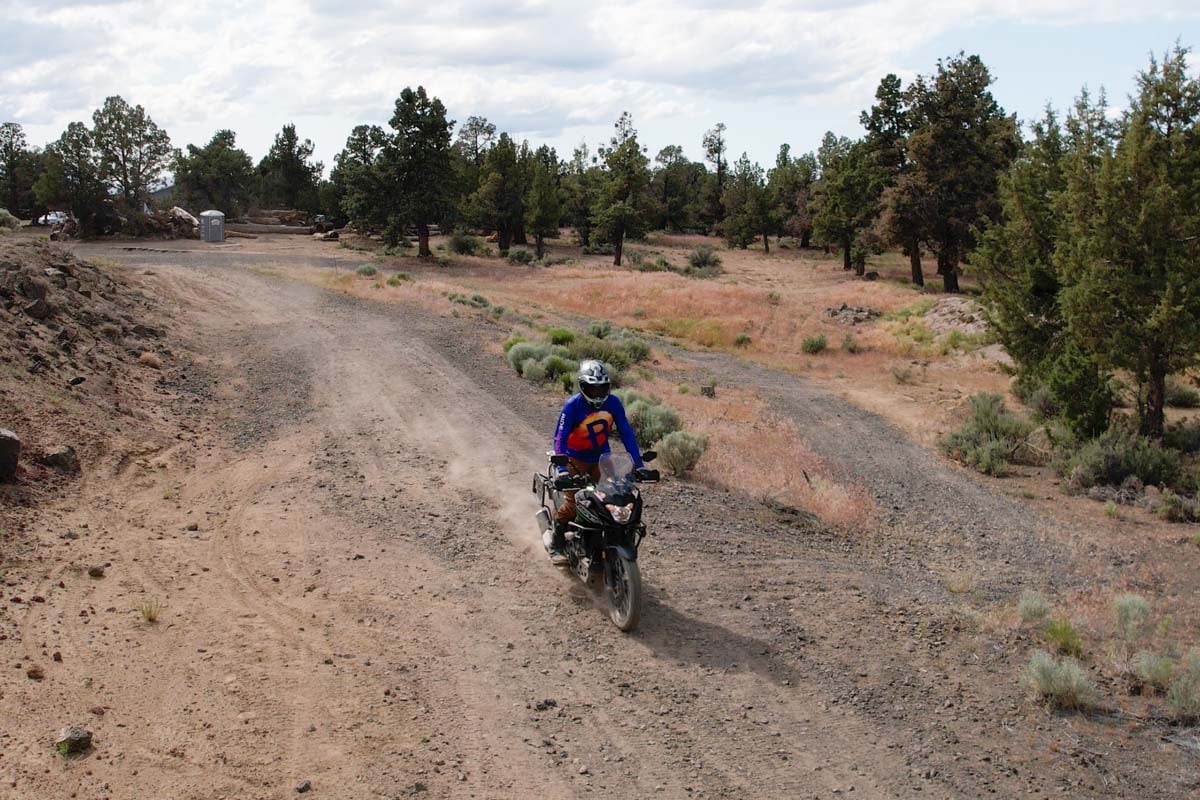 "Tougher than it looks but not a bike to eat big chunk with"
For the way most riders actually “adventure” – dirt shortcuts to a campground, scenic unmaintained roads, and exploring further than you would on a pure street bike – the Versys-X 300 is perfectly at home.
Comfort, Ergonomics, and Passenger Life
Ergonomically, Kawasaki did a lot right here out of the box.
|
Stock wind protection is… fine. It takes the main wind blast off your chest, but taller riders may find some turbulence around the helmet.
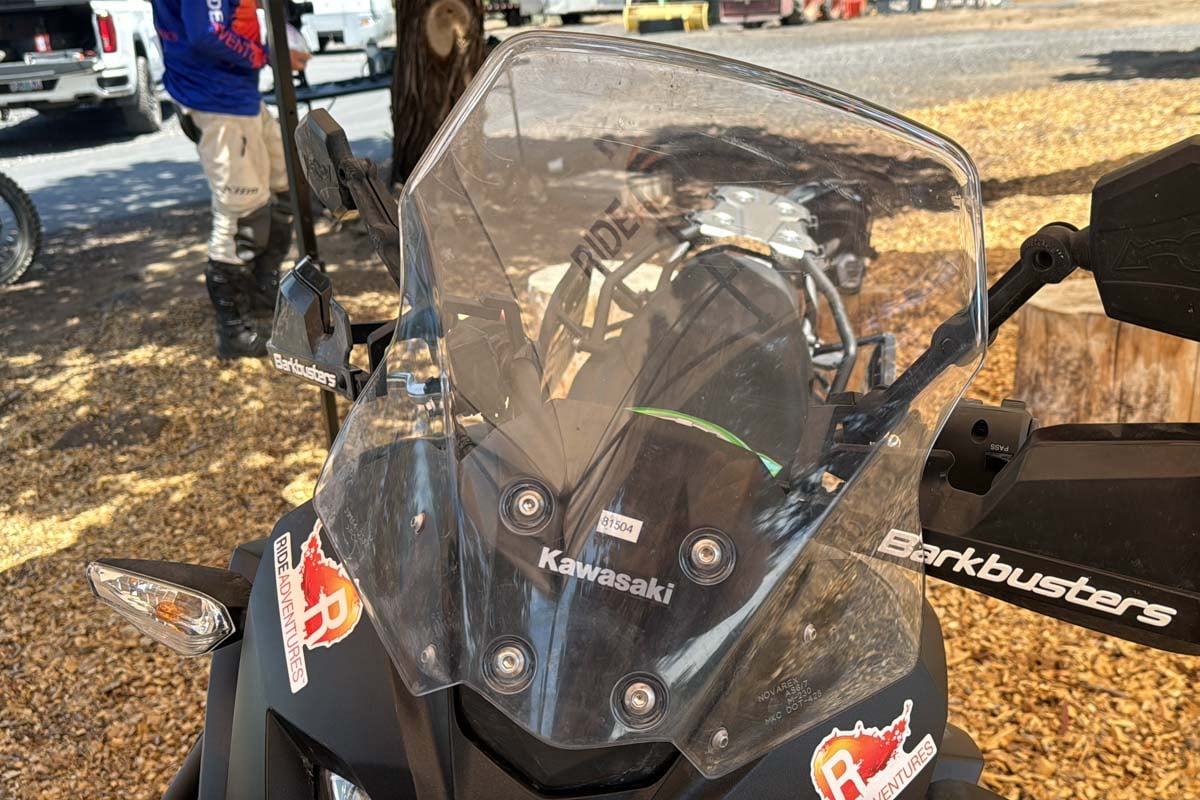 "Good windscreen for most that would size up to this bike"
Thankfully it’s an easy area to tweak: screens, clip-on deflectors, or just experimenting with height all make a noticeable difference.
Two-up:
The rear seat and pegs are usable for a passenger, but this is still a 300. Around town and on backroads, it can handle a rider, passenger, and light luggage.
Ask it to do full-speed freeway passes two-up with bags and you’ll start to feel the limits quickly.

For short trips and occasional two-up rides, it’s workable. For frequent loaded touring with a passenger, we’d be looking at a bigger Versys or mid-size ADV.
Range, Fuel Economy, and Luggage
If you like stretching a tank, the baby Versys is your friend.
With a roughly 4.5-gallon (17 L) tank and fuel economy that often lands riders in the 60+ mpg range with sane riding, you’re realistically looking at 230–260 miles of usable range between fill-ups.
That’s proper travel-bike territory and a big reason long-distance riders still hunt these down.
On the luggage front:
|
With proper bags, the Versys-X 300 happily turns into a mini-mule that can carry camping gear, tools, and layers without losing its mind.
Just remember: the more weight you hang out back, the more you’ll feel it in the suspension and on loose surfaces.

What We Changed (Mods That Actually Help)
Here’s where small ADV bikes really shine: a handful of smart mods significantly boost their real-world comfort and durability.
Common upgrades that make sense on a Versys-X 300:
|
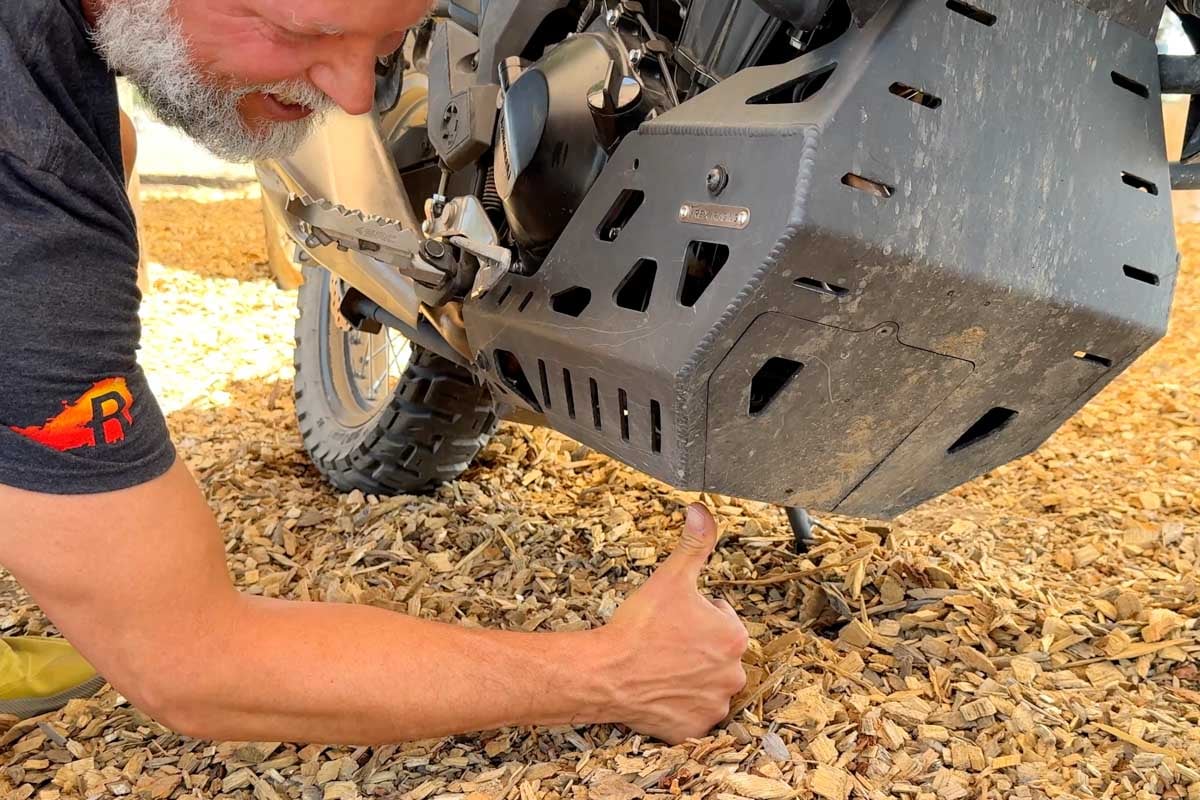 "Mind you, Eric's hands are massive"
Cosmetic stuff (stickers, colored levers, shiny bits) is fun, but if you’re on a budget and actually planning to travel, spend your money on protection, contact points, and tires first.
That’s where the Versys-X 300’s usable performance really improves.

Versys-X 300 vs Bigger Bikes in the Garage
The question a lot of riders have is: “Should I just skip the 300 and jump onto a Versys 650 or other big ADV bike instead?”
Here’s the honest breakdown.
Where the 300 is better:
|
Where bigger bikes win:
|
Think of the Versys-X 300 as a skill-building platform and a legit lightweight travel machine, not as a “forever bike for every scenario.”
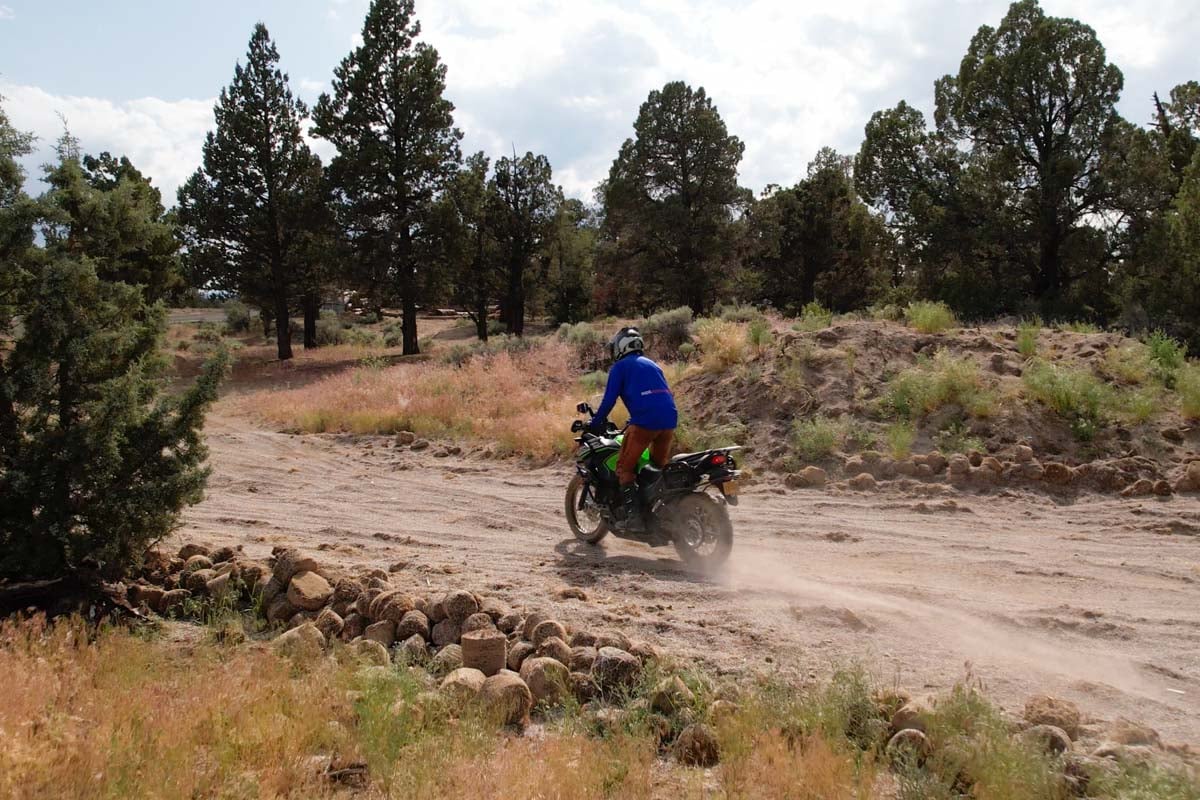 "Versys-X 300 taking on some more off-road duty during our test"
For riders who actually ride a lot of backroads, gravel, and mixed surfaces, the baby Versys makes a ton of sense even if there’s a bigger bike in the garage for pure highway trips.
Known Quirks and Things We Didn’t Love
No bike is perfect, and this one definitely has a personality.
The main gripes:
|
None of these are deal-breakers if you buy the bike for what it actually is: a light, approachable, efficient ADV that favors versatility over bravado.
Who the Versys-X 300 Is Perfect For
If you see yourself in any of these, the baby Versys should be on your list:
|
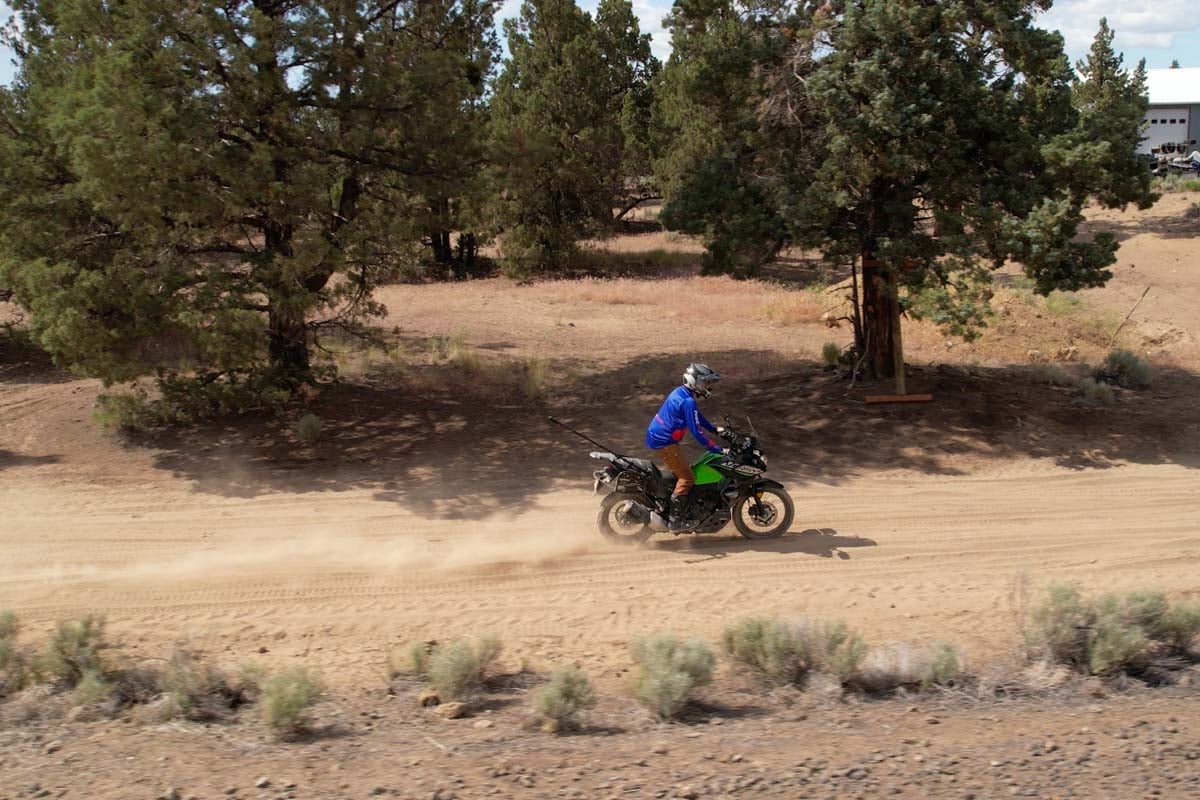 "Can it rally through our sandpit at our training center? Yes, yes it can"
If your life is 90% freeway commuting and two-up interstate slogs at 80 mph, look at something bigger. If your riding is a mix of local twisties, gravel roads, and realistic adventure travel, the Versys-X 300 slots in nicely.

Final Verdict: Is the Baby Versys Still Worth It?
Short answer: yes – if you use it for what it’s good at.
The Kawasaki Versys-X 300 is not a spec-sheet flex. It’s not going to destroy your buddies’ 1,000cc ADV bikes in a drag race or come dripping in electronics and fancy modes.
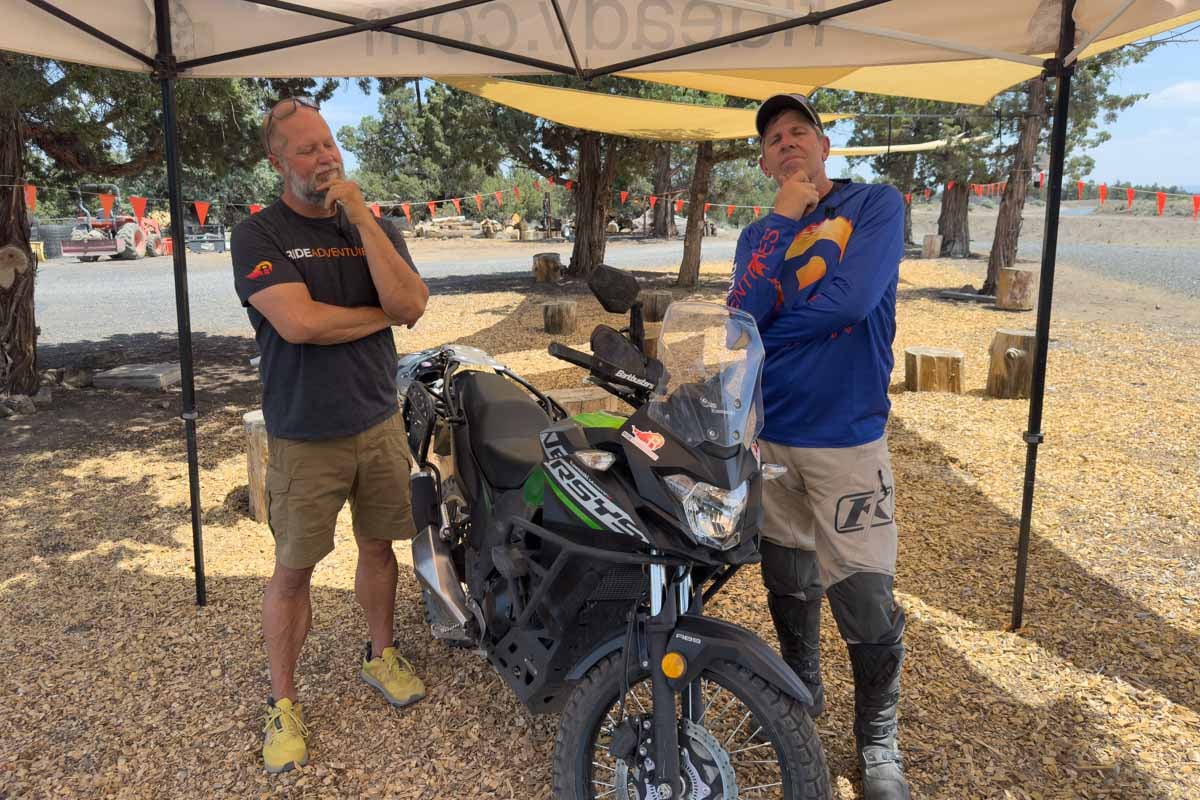
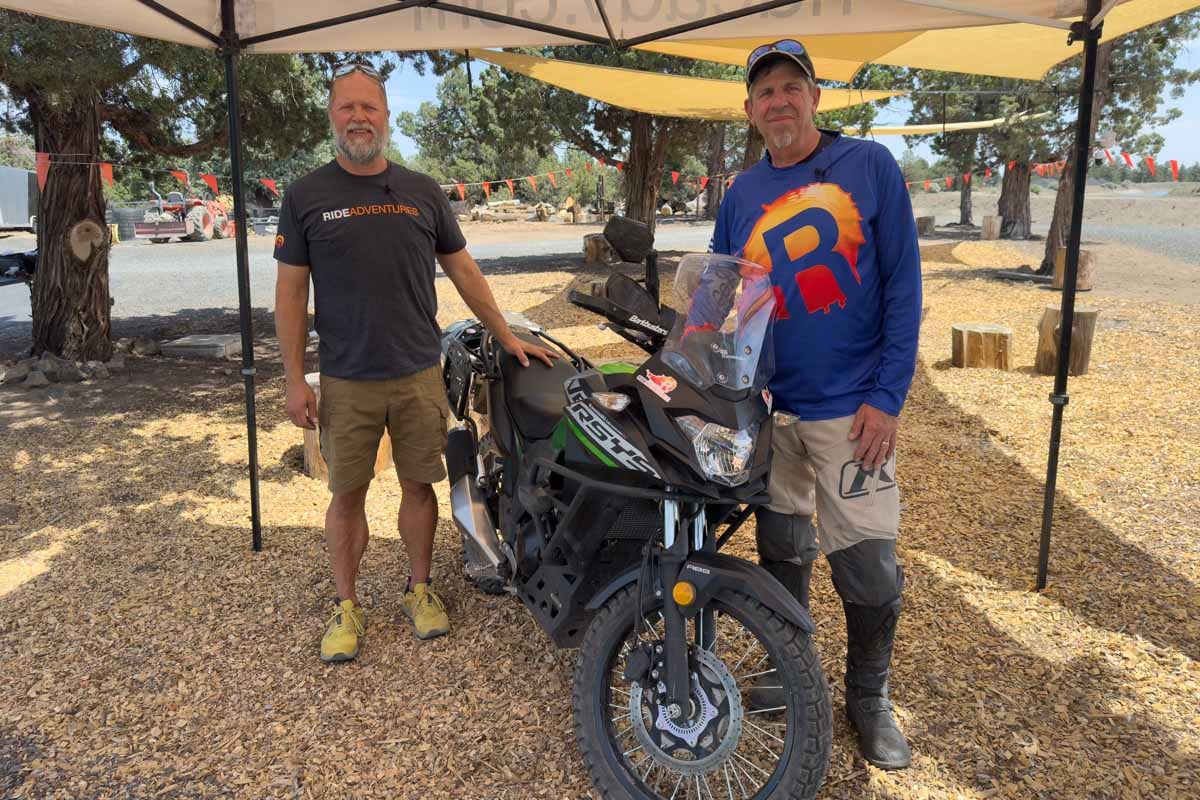 "Eric and Andrew approve this bike, but only for the right rider mentioned below. Check out our YouTube video if you want to see this bike in action."
What it does do:
|
As long as you’re honest about your riding style and you’re not expecting 1200GS freeway power out of 296cc, the baby Versys is still absolutely worth hunting down, setting up properly, and pointing at the kind of roads that made you want an ADV bike in the first place.
READ MORE→
Best lightweight Adventure Bikes on the Market
The Best Adventure Bikes for Beginners
The Best Budget ADV Helmets